Vancouver has long been recognized as a city that values green living, and our local building codes are continuing to reflect that commitment to the environment. In a major move to reduce carbon emissions, the city recently reinforced its policies to shift homes away from natural gas for heating. If you are a homeowner planning a major renovation this year, you will likely need to upgrade your home’s energy systems and switch to electric power.
While dealing with new bylaws might sound a bit overwhelming at first, understanding these rules early in your planning phase makes the entire process smooth and straightforward. Here is everything you need to know about navigating Vancouver’s electrification rules for your upcoming home renovation.
Understanding the REUP System
When you apply for a renovation permit, the city uses a framework called the Renovation Energy Upgrade Proposal (REUP) to determine what energy improvements your home needs. This system is designed on a sliding scale, meaning the requirements become stricter as the overall budget and scope of your renovation increase.
Here is a simple breakdown of what the city expects based on your project size:
-
Projects under $20,000: These are typically cosmetic updates, so no major energy upgrades are required.
-
Projects over $20,000: You will need to include some basic energy-related improvements in your renovation plan to meet the city’s minimum standards.
-
Projects over $75,000: You must hire a professional Energy Advisor to conduct an EnerGuide assessment before construction begins and after it is completed.
-
Projects over $250,000: At this tier, you are required to completely switch your home over to electric space heating and electric hot water systems.
-
Full gut reconstructions: No matter the stated budget, if you are stripping the house down to the studs, you must replace your old gas heating systems with modern electric alternatives.
What the Electric Switch Means for You
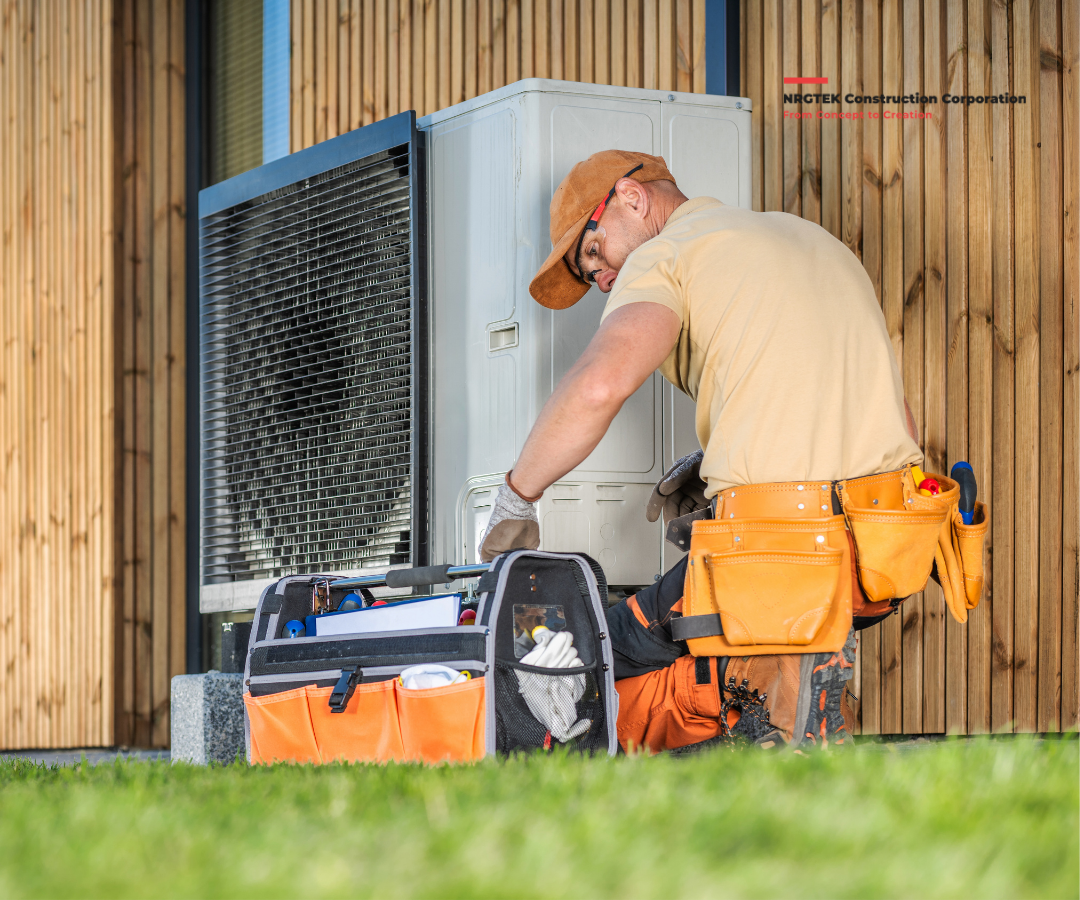
In practical terms, a major renovation means saying goodbye to your old gas furnace and gas water heater. Instead, your home will rely on modern electric alternatives, such as highly efficient heat pumps and electric water heaters. Heat pumps are particularly popular because they provide cozy warmth in the winter and double as air conditioning during Vancouver’s increasingly warm summers.
Fortunately, the city is primarily focused on reducing the heavy emissions from space heating and hot water. This means that if you love cooking on a gas stove or relaxing in front of a decorative gas fireplace, you can generally keep those features in your design.
Planning for Success and Rebates
Switching to electricity does more than just keep you compliant with building codes; it also opens the door to financial incentives. Programs from BC Hydro often offer generous rebates for homeowners making the switch to energy-efficient home renovations.
To make sure your project stays on track, it is crucial to plan your electrical upgrades early. You will need to check if your home’s current electrical panel can handle the increased load of new electric appliances, and factor this into your initial budget.
Contact Us
Navigating city bylaws, energy assessments, and building permits can be tricky, but you do not have to do it alone! At NRGTEK Construction, we specialize in delivering beautiful, high-quality home renovations that seamlessly meet all of Vancouver’s latest energy and electrification rules. We handle the technical details so you can focus on designing your dream space.