There’s something wonderful about a 1970s Vancouver home. Generous room sizes, solid framing, mature landscaping, and character that newer builds just can’t replicate. But between the avocado-green tile and the aluminum wiring, most 1970s homes need some love to feel move-in ready for 2026. The good news? You don’t need to gut the entire house to get a fresh, modern feel. With the right plan, you can update smartly, protect your budget, and keep the charm that made you fall in love with the home in the first place.
Start With What’s Behind the Walls
Before you pick a single paint colour, get your home properly assessed. Vancouver homes built before 1980 commonly come with asbestos in stipple ceilings and floor tile, aluminum or knob-and-tube wiring, galvanized plumbing, and outdated electrical panels. These aren’t glamorous fixes, but addressing them first protects everything you build on top later. A pre-renovation inspection and asbestos survey will save you from expensive surprises mid-project. Think of this step as the foundation of your whole renovation, literally and figuratively.
Prioritize Systems Before Style
It’s tempting to jump straight to a dream kitchen, but the smartest renovations follow a clear order: roof, drainage, building envelope, and electrical service first, then kitchens and bathrooms, then finishes. Budget an extra 10–25% contingency for homes built before 1980, since older systems often reveal hidden work once walls open up. This isn’t about being cautious for caution’s sake, it’s about making sure your beautiful new finishes have a healthy home to live in for decades to come.
Open Up, Don’t Tear Down
One of the most impactful (and surprisingly affordable) updates for older homes is opening the floor plan. Removing a non-structural wall between the kitchen, dining, and living areas instantly makes a 1970s layout feel bright, current, and social. Pair that with larger windows, updated lighting, and a lighter paint palette, and dark, boxy rooms transform without a single addition being built.
Update Finishes With Intention
2026’s design trends are leaning away from “gut everything and start over.” Homeowners and designers are prioritizing spaces that feel authentic and livable over chasing a single trendy aesthetic. For a 1970s Vancouver home, that means:
-
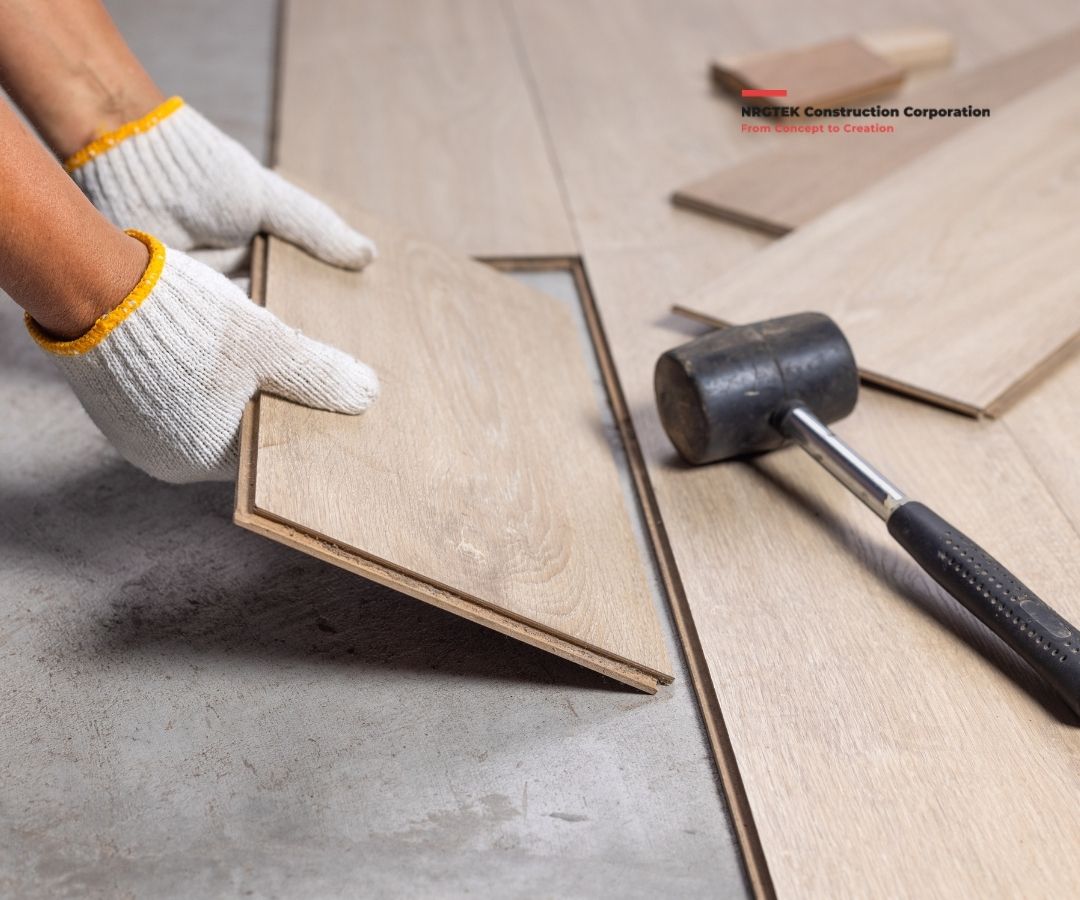
Refinishing original hardwood instead of ripping it out
-
Swapping dated hardware, lighting, and fixtures for warm, modern versions
-
Adding energy-efficient windows and insulation while keeping the original footprint
-
Choosing timeless materials like white oak, stone, and warm neutrals over trend-chasing finishes
This “measured, respectful” approach to renovating is exactly what’s increasing resale value in 2026, because it protects a home’s character while making it function beautifully today.
Know When to Call a Pro
Over-renovating usually happens when scope creep sets in, one small project turns into a full gut renovation because nobody paused to ask, “Do we actually need this?” The homeowners who get it right start with a clear brief, a realistic contingency, and a licensed, insured contractor who understands pre-1980 Vancouver homes specifically. A great contractor won’t just execute your vision, they’ll help you decide what truly needs updating and what’s already got great bones.
Ready to Modernize Without the Overwhelm?
Your 1970s Vancouver home has incredible potential, it just needs the right guidance to bring it into 2026 without losing what made it special in the first place. NRGTEK Construction specializes in custom renovations for homes just like yours, blending smart system upgrades with modern design that respects your home’s original character.