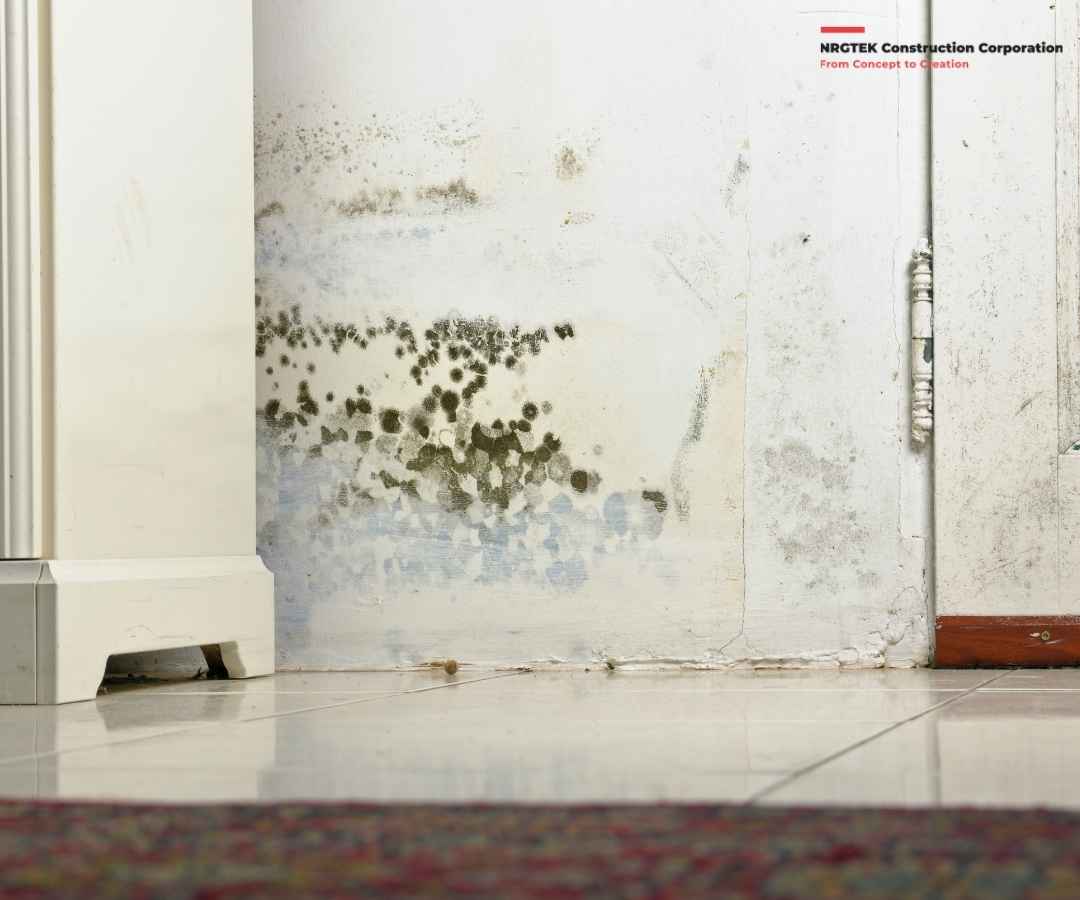
Renovating an older home in British Columbia can be exciting. Character homes often have beautiful details, solid craftsmanship, and plenty of potential. However, our wet coastal climate also creates a common challenge for homeowners: moisture and mould.
From Vancouver and Burnaby to Surrey, Victoria, and throughout the Lower Mainland, older homes can develop hidden moisture problems over time. Many properties were built before modern ventilation standards, rainscreen systems, vapour barriers, and moisture-resistant materials became common. When water gets into walls, crawl spaces, basements, or attics, it can lead to mould growth, damaged materials, and costly repairs if it is not addressed early.
The good news is that a well-planned renovation is the perfect time to find and fix these problems properly.
Why Older BC Homes Have Moisture Problems
British Columbia’s Pacific Northwest climate brings frequent rainfall and high humidity. Older homes may not have been built with the same moisture-management systems used today, which can make them more vulnerable to water intrusion and condensation. Proper rainscreens, vapour control, ventilation, and drainage are especially important in this climate.
Common sources of moisture in older BC homes include:
-
Leaking roofs, damaged flashing, or clogged gutters
-
Poor drainage around the foundation
-
Damp crawl spaces or unfinished basements
-
Old windows that create condensation
-
Bathroom and kitchen fans that do not vent outdoors
-
Plumbing leaks behind walls or under flooring
-
Cracked caulking around tubs, showers, and sinks
-
Inadequate attic ventilation
Mould is not only a cosmetic issue. Health Canada notes that dampness and indoor mould can contribute to respiratory allergy symptoms and may worsen asthma, particularly for children, seniors, and people with respiratory sensitivities. That is why mould should never simply be painted over or ignored during a renovation.
Signs to Watch for Before Renovating
Before beginning demolition or design work, take time to inspect the home carefully. Some moisture issues are easy to see, while others are hidden behind drywall, under flooring, or inside crawl spaces.
Watch for warning signs such as a musty smell, peeling paint, bubbling drywall, dark stains, warped baseboards, soft flooring, window condensation, or visible mould around vents and bathroom ceilings. You may also notice cold or damp areas in the basement, attic, or crawl space.
If there is a large amount of mould, or if the source of moisture is unclear, it is wise to have the issue professionally assessed. HealthLink BC emphasizes that the most important part of mould prevention and control is managing the moisture that allows it to grow.
Smart Moisture Solutions During Renovation
The best renovation projects do more than improve how a home looks. They also make the home healthier, drier, and more durable for the future.
Here are several effective ways to manage moisture during an older-home renovation:
-
Improve exterior drainage by ensuring the ground slopes away from the foundation and keeping gutters and downspouts clear.
-
Install proper flashing and rainscreen details to help direct rainwater away from exterior wall assemblies.
-
Add or upgrade bathroom and kitchen exhaust fans so humid air is vented outside, not into the attic or crawl space.
-
Make sure clothes dryers vent outdoors, since indoor dryer moisture can raise humidity levels significantly.
-
Seal and protect crawl spaces with polyethylene ground covers to reduce moisture rising from exposed soil.
-
Upgrade old windows and improve insulation to reduce condensation and cold surfaces.
-
Repair plumbing leaks and deteriorated caulking as soon as they are discovered.
-
Use moisture-resistant materials in bathrooms, basements, laundry rooms, and other high-humidity areas.
For homeowners, indoor humidity also matters. Keeping relative humidity at a moderate level — often around 30% to 50% — can help reduce condensation and mould risk.
Do Not Cover Up the Problem
One of the biggest mistakes in older-home renovations is treating visible mould without solving the underlying water issue. Cleaning a surface may improve its appearance temporarily, but mould can return if a leak, drainage issue, or ventilation problem remains.
A proper renovation approach starts with identifying where the moisture is coming from. Once the source is fixed, damaged materials can be safely removed or restored, and the affected area can be rebuilt using the right materials and moisture-control methods.
This approach protects your investment and helps create a more comfortable home for your family.
Contact NRGTek Construction
Older BC homes have unique charm, but they also need thoughtful renovation planning. Whether you are updating a basement, bathroom, kitchen, crawl space, or entire home, moisture control should be part of the process from the beginning.
At NRGTEK Construction, we understand the challenges of renovating in BC’s rainy climate. Our team can help you identify moisture concerns, plan smart upgrades, and create a home that is beautiful, durable, and built for the years ahead.
Contact NRGTEK Construction today to discuss your renovation project and build on a dry, healthy foundation.