The construction industry in British Columbia is evolving rapidly, driven by new technologies that improve efficiency, accuracy, and collaboration. Among the most impactful innovations are Virtual Reality (VR) and Augmented Reality (AR). These tools are transforming how construction projects are planned, designed, built, and managed across BC.
From residential developments to large-scale infrastructure projects, VR and AR are helping construction professionals reduce risk, control costs, and deliver higher-quality outcomes.
Understanding VR and AR in Construction
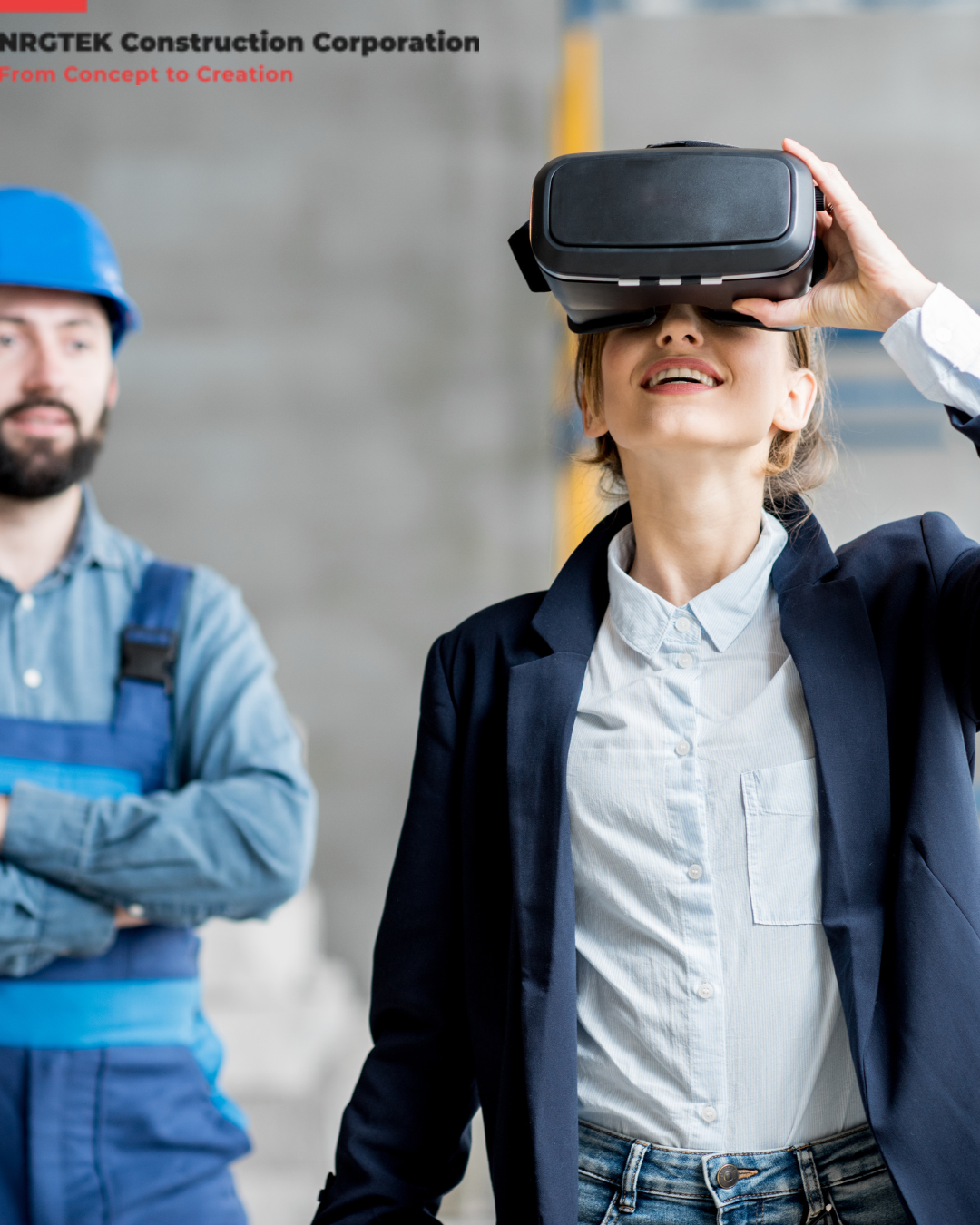
Virtual Reality (VR) immerses users in a wholly digital environment, allowing them to experience a construction project before it is built. Using headsets, teams can walk through a virtual site, review designs, and simulate construction processes.
Augmented Reality (AR) overlays digital elements onto the real world through mobile devices or smart glasses. In construction, AR allows teams to view 3D models, plans, or data directly on-site, aligned with the physical environment.
While the technologies are different, both play a decisive role in modern construction workflows.
Improved Design Visualization and Planning
One of the most significant advantages of VR is its ability to bring designs to life. Architects, engineers, contractors, and clients can:
- Walk through buildings at full scale
- Identify design issues before construction begins
- Evaluate layouts, materials, and spatial flow
- Make informed decisions earlier in the project lifecycle
In BC, where projects must meet strict building codes and environmental standards, early visualization helps reduce costly redesigns and delays.
Enhanced Collaboration and Stakeholder Communication
VR and AR improve communication between all project stakeholders, including:
- Developers
- Architects and engineers
- Contractors and subcontractors
- Clients and regulatory authorities
Instead of interpreting complex drawings, stakeholders can experience the project visually. This reduces misunderstandings, accelerates approvals, and aligns expectations from the start.
Increased Safety and Risk Reduction
Construction safety is a top priority in British Columbia. VR is increasingly used to:
- Simulate hazardous scenarios
- Train workers in a controlled environment
- Improve hazard awareness and emergency preparedness
AR enhances on-site safety by displaying real-time information, such as:
- Underground utilities
- Structural components behind walls
- Equipment operating zones
These tools help reduce workplace incidents and support compliance with WorkSafeBC regulations.
Greater Accuracy During Construction
AR enables construction teams to compare digital models with physical progress in real time. On-site teams can:
- Overlay BIM models onto the job site
- Verify measurements and alignments
- Identify discrepancies early
- Reduce rework and material waste
This level of precision is especially valuable for complex projects and tight urban builds common across BC.
Cost and Time Savings
By identifying issues earlier and improving coordination, VR and AR contribute to:
- Fewer change orders
- Reduced rework
- Shorter project timelines
- Better budget control
While there is an upfront investment in technology, many BC construction firms find that long-term savings far outweigh initial costs.
Supporting Sustainable and Green Building Goals
BC continues to lead in sustainable construction practices. VR and AR help support green building objectives by:
- Optimizing energy-efficient designs
- Testing building performance virtually
- Reducing material waste
- Supporting compliance with energy and environmental standards
This aligns well with BC’s commitment to sustainable development and net-zero construction.
The Future of Construction in BC
As technology adoption grows, VR and AR are becoming essential tools rather than optional add-ons. Their integration with Building Information Modeling (BIM), artificial intelligence, and innovative construction systems will continue to reshape how projects are delivered.
Construction companies that embrace these tools are better positioned to stay competitive, improve safety, and meet the growing expectations of clients and regulators in British Columbia.
Final Thoughts
VR and AR are no longer futuristic concepts — they are practical, robust solutions transforming BC’s construction industry today. By enhancing visualization, collaboration, safety, and efficiency, these technologies are setting a new standard for how construction projects are planned and executed.