Our Projects
Discover the NRGTEK Difference
The River Road Residence
A grand custom residence designed for modern family living and refined comfort.
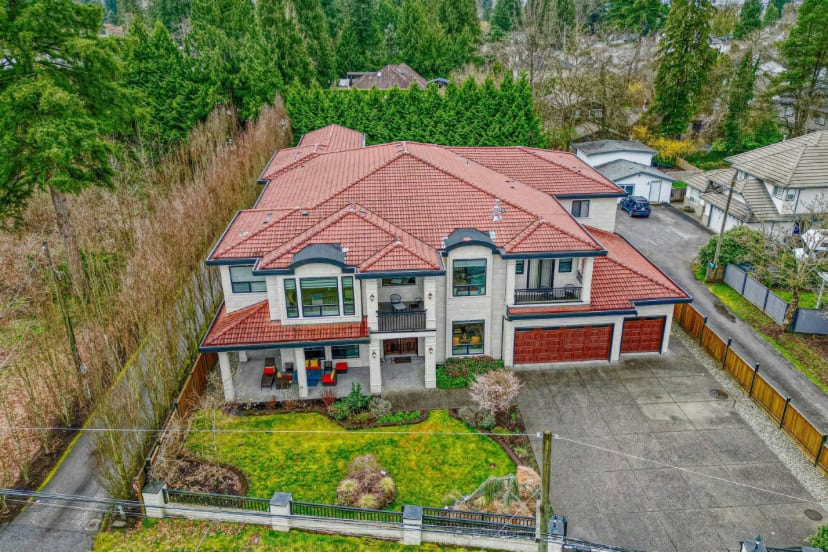
The River Road Residence is a large custom-built luxury home designed to combine modern living with elegant architectural finishes. Built on a spacious residential lot in Maple Ridge, the home was carefully planned to provide expansive living areas, comfortable family spaces, and high-end features throughout the property.
Completed in January 2020, this two-storey residence reflects thoughtful design, strong construction quality, and careful coordination of building systems. The home offers generous interior space, multiple living areas, and premium finishes that create both comfort and visual sophistication.
A large-scale luxury home built with thoughtful planning and high-quality construction.
Project Name: River Road Residence
Location: Maple Ridge, British Columbia
Project Type: Custom Luxury Home
Lot Size: 16,000 sq ft
Total Living Area: 10,000 sq ft
Structure: Two-Storey Residential Home
Completion Date: January 2020
Creating a spacious and elegant home designed for family living and modern convenience.
The objective of this project was to build a spacious and modern family residence that would support both everyday living and entertaining. The homeowners wanted a layout that included open living areas, multiple gathering spaces, and specialized rooms that could accommodate recreation, work, and relaxation.
The design also emphasized comfort, high-quality finishes, and modern building systems that would support convenience and long-term performance.
Delivering complete construction oversight and craftsmanship from foundation to completion.
NRGTEK Construction Corp was responsible for the full construction of the residence, including structural framing, coordination of building systems, and overall project management throughout the construction process.
Our team supervised site operations, coordinated trades, and ensured that construction progressed according to project plans while maintaining high standards of workmanship and quality control.
Through disciplined project management and careful coordination of construction activities, we successfully delivered the project in accordance with the design requirements and client expectations.
Distinctive architectural elements and premium features designed for comfort and performance.
The River Road Residence incorporates a number of architectural and construction elements designed to enhance both comfort and long-term performance.
• 10,000 square foot custom-built residence
• Seven bedrooms designed for spacious family living
• Dedicated theatre room for entertainment
• Sunroom providing natural light and relaxation space
• Open concept kitchen and dining area
• Formal dining room for hosting guests
• Two separate sitting areas for family gatherings
• Recreational room for leisure activities
• Private office space for work and study
• Covered patio designed for outdoor living
• Ample storage space integrated throughout the home
The home also features several premium construction and building systems including Italian tiled flooring, radiant heating for improved comfort, a fully integrated home automation system, and a backup generator for operational reliability. The exterior of the residence is finished with natural wood and stone elements complemented by a durable tiled roofing system, creating a balanced architectural appearance while supporting long-term structural performance.
The Sixth Avenue Residence
Building Dreams, Tailored to Perfection: Your Vision, Our Craftsmanship.
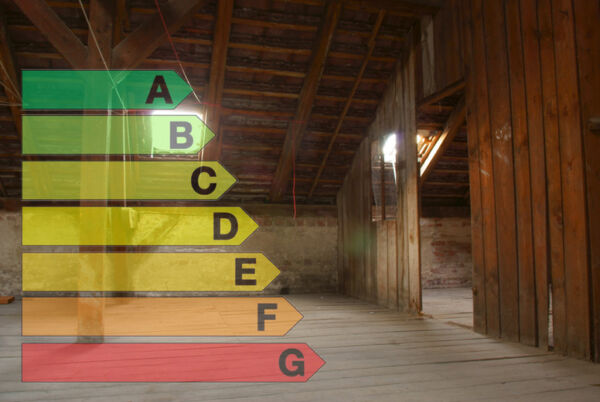
Construction customization epitomizes the marriage of imagination and craftsmanship, offering clients the opportunity to tailor their spaces to reflect their unique vision and preferences. At the heart of customization lies a collaborative process, where architects, designers, and clients collaborate closely to conceptualize and execute personalized solutions. From conceptualizing bespoke floor plans to selecting finishes and fixtures, every aspect of the construction process is meticulously curated to align with the client’s aesthetic and functional requirements. Whether creating a dream home, a commercial space, or a community gathering place, customization ensures that each project is as distinctive as the individuals it serves.
The hallmark of construction customization lies in its ability to transcend the constraints of cookie-cutter design, allowing for the creation of truly one-of-a-kind spaces that resonate with their inhabitants on a personal level. From incorporating unique architectural features to integrating cutting-edge technology and sustainable design elements, customization offers endless possibilities for creative expression and innovation. Skilled craftsmen and artisans bring these visions to life, leveraging their expertise to transform concepts into tangible realities that exceed expectations. The result is not just a building but a bespoke masterpiece that reflects the personality, lifestyle, and aspirations of its occupants.
Furthermore, construction customization extends beyond aesthetics to encompass functionality and adaptability, ensuring that spaces are designed to evolve with the changing needs of their users. Flexible floor plans, multipurpose rooms, and integrated smart technologies are just a few examples of the customizable solutions that enhance the usability and longevity of a space. By prioritizing user experience and versatility, customization fosters spaces that are not only visually stunning but also highly functional and future-proof. In essence, construction customization represents the pinnacle of design innovation and individual expression, setting new standards for excellence in the built environment.
Revive, Renew, Reimagine: Construction Renovation Redefined.

Construction renovation stands as a testament to the transformative power of renewal, breathing new life into aging structures while preserving their intrinsic character and historical significance. It begins with a meticulous assessment of the existing space, identifying areas for improvement and envisioning possibilities for enhancement. Renovation projects often involve a delicate balance between honoring the original architecture and integrating modern amenities and design elements. Whether revitalizing a historic landmark, updating a commercial space, or rejuvenating a residential property, renovation endeavors to create spaces that resonate with both past heritage and present needs.
The essence of construction renovation lies in the art of preservation and adaptation, where old meets new in a seamless fusion of tradition and innovation. Skilled craftsmen and artisans apply their expertise to restore and revitalize architectural features, breathing new vitality into worn facades and interiors. From restoring ornate moldings and intricate woodwork to updating infrastructure and incorporating sustainable materials, every aspect of the renovation process is executed with precision and care. The result is not merely a refurbished structure but a reimagined space that pays homage to its heritage while embracing the demands of contemporary living.
Moreover, construction renovation plays a pivotal role in sustainable development, offering a more environmentally conscious alternative to new construction. By repurposing existing buildings and materials, renovation minimizes waste and reduces the carbon footprint associated with demolition and new construction. Adaptive reuse projects, in particular, exemplify the ethos of sustainability, transforming disused structures into vibrant hubs of activity and innovation. Construction renovation thus embodies the principles of conservation and regeneration, fostering a more resilient and environmentally responsible built environment for future generations.
Elevating Spaces, Enriching Lives: Construction Transformation at Its Finest.
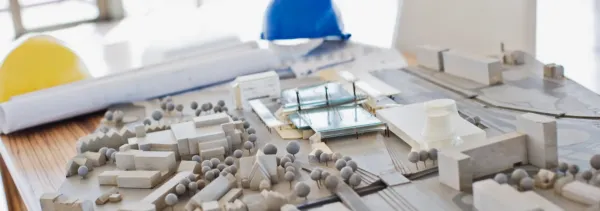
Construction transformation is a testament to the power of reinvention, breathing new life into existing structures and redefining their purpose for the modern era. It begins with a vision to reimagine spaces, whether repurposing abandoned buildings, revitalizing aging infrastructure, or adapting structures to meet evolving needs. This process of transformation requires a blend of creativity, ingenuity, and technical expertise, as architects, engineers, and designers collaborate to unlock the latent potential within each space. From conceptualization to execution, construction transformation is a journey of exploration, innovation, and discovery.
At the heart of construction transformation lies the ethos of sustainability, as projects seek to minimize environmental impact while maximizing resource efficiency. Adaptive reuse, in particular, exemplifies this commitment to sustainability by breathing new life into existing structures and reducing the demand for new construction materials. Through thoughtful design interventions and eco-friendly practices, construction transformation endeavors to create spaces that not only serve the needs of today but also safeguard the planet for future generations. By embracing principles of sustainability, transformational projects demonstrate that progress and preservation can coexist harmoniously in the built environment.
Moreover, construction transformation transcends the physical realm to encompass social and cultural revitalization, fostering vibrant communities and enriching urban landscapes. Whether transforming derelict warehouses into vibrant art galleries, converting historic buildings into trendy lofts, or repurposing industrial sites into mixed-use developments, transformational projects have the power to reinvigorate neighborhoods and catalyze economic growth. By preserving heritage while embracing innovation, construction transformation celebrates the rich tapestry of history while paving the way for a brighter, more inclusive future.
Building Communities, Crafting Dreams: Understanding Construction from Blueprint to Reality.
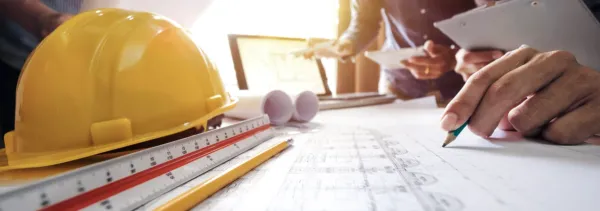
Understanding construction encompasses a multifaceted journey through the intricate processes and disciplines that converge to create the physical spaces we inhabit. At its core lies architectural design, the art of conceptualizing structures that not only fulfill practical needs but also inspire and enrich human experiences. Architects blend creativity with technical expertise, crafting blueprints that balance aesthetic appeal, functionality, and sustainability. Concurrently, engineering principles come into play, with structural, mechanical, and electrical engineers collaborating to ensure the integrity and efficiency of the built environment. Through careful analysis and calculation, they fortify structures to withstand forces of nature while optimizing performance and resource utilization.
As construction progresses from plans to reality, project management emerges as a critical aspect, orchestrating the intricate dance of timelines, budgets, and resources. Project managers oversee the coordination of diverse teams, from architects and engineers to contractors and subcontractors, ensuring seamless communication and collaboration. They navigate regulatory landscapes, securing permits and adhering to building codes, while mitigating risks and resolving challenges that arise throughout the construction process. With an acute understanding of logistics and a keen eye for detail, project managers steer construction projects towards successful completion, delivering on the promises made within the blueprints.
Moreover, construction is not solely about erecting structures; it embodies a broader narrative of societal progress and cultural identity. It shapes the skylines of cities, preserves the heritage of communities, and fosters economic development. Construction projects often serve as catalysts for urban renewal, revitalizing neighborhoods and redefining urban landscapes. Furthermore, construction intersects with sustainability efforts, driving innovation in green building practices and renewable technologies to minimize environmental impact. Understanding construction thus entails recognizing its role as a dynamic force that shapes the world we inhabit, reflecting and responding to the evolving needs and aspirations of society.
Building Communities, Crafting Dreams: Understanding Construction from Blueprint to Reality.
Understanding construction encompasses a multifaceted journey through the intricate processes and disciplines that converge to create the physical spaces we inhabit. At its core lies architectural design, the art of conceptualizing structures that not only fulfill practical needs but also inspire and enrich human experiences. Architects blend creativity with technical expertise, crafting blueprints that balance aesthetic appeal, functionality, and sustainability. Concurrently, engineering principles come into play, with structural, mechanical, and electrical engineers collaborating to ensure the integrity and efficiency of the built environment. Through careful analysis and calculation, they fortify structures to withstand forces of nature while optimizing performance and resource utilization.
As construction progresses from plans to reality, project management emerges as a critical aspect, orchestrating the intricate dance of timelines, budgets, and resources. Project managers oversee the coordination of diverse teams, from architects and engineers to contractors and subcontractors, ensuring seamless communication and collaboration. They navigate regulatory landscapes, securing permits and adhering to building codes, while mitigating risks and resolving challenges that arise throughout the construction process. With an acute understanding of logistics and a keen eye for detail, project managers steer construction projects towards successful completion, delivering on the promises made within the blueprints.
Moreover, construction is not solely about erecting structures; it embodies a broader narrative of societal progress and cultural identity. It shapes the skylines of cities, preserves the heritage of communities, and fosters economic development. Construction projects often serve as catalysts for urban renewal, revitalizing neighborhoods and redefining urban landscapes. Furthermore, construction intersects with sustainability efforts, driving innovation in green building practices and renewable technologies to minimize environmental impact. Understanding construction thus entails recognizing its role as a dynamic force that shapes the world we inhabit, reflecting and responding to the evolving needs and aspirations of society.
Building Communities, Crafting Dreams: Understanding Construction from Blueprint to Reality.
Understanding construction encompasses a multifaceted journey through the intricate processes and disciplines that converge to create the physical spaces we inhabit. At its core lies architectural design, the art of conceptualizing structures that not only fulfill practical needs but also inspire and enrich human experiences. Architects blend creativity with technical expertise, crafting blueprints that balance aesthetic appeal, functionality, and sustainability. Concurrently, engineering principles come into play, with structural, mechanical, and electrical engineers collaborating to ensure the integrity and efficiency of the built environment. Through careful analysis and calculation, they fortify structures to withstand forces of nature while optimizing performance and resource utilization.
As construction progresses from plans to reality, project management emerges as a critical aspect, orchestrating the intricate dance of timelines, budgets, and resources. Project managers oversee the coordination of diverse teams, from architects and engineers to contractors and subcontractors, ensuring seamless communication and collaboration. They navigate regulatory landscapes, securing permits and adhering to building codes, while mitigating risks and resolving challenges that arise throughout the construction process. With an acute understanding of logistics and a keen eye for detail, project managers steer construction projects towards successful completion, delivering on the promises made within the blueprints.
Moreover, construction is not solely about erecting structures; it embodies a broader narrative of societal progress and cultural identity. It shapes the skylines of cities, preserves the heritage of communities, and fosters economic development. Construction projects often serve as catalysts for urban renewal, revitalizing neighborhoods and redefining urban landscapes. Furthermore, construction intersects with sustainability efforts, driving innovation in green building practices and renewable technologies to minimize environmental impact. Understanding construction thus entails recognizing its role as a dynamic force that shapes the world we inhabit, reflecting and responding to the evolving needs and aspirations of society.
Delta Contemporary Residence
Building Dreams, Tailored to Perfection: Your Vision, Our Craftsmanship.
Construction customization epitomizes the marriage of imagination and craftsmanship, offering clients the opportunity to tailor their spaces to reflect their unique vision and preferences. At the heart of customization lies a collaborative process, where architects, designers, and clients collaborate closely to conceptualize and execute personalized solutions. From conceptualizing bespoke floor plans to selecting finishes and fixtures, every aspect of the construction process is meticulously curated to align with the client’s aesthetic and functional requirements. Whether creating a dream home, a commercial space, or a community gathering place, customization ensures that each project is as distinctive as the individuals it serves.
The hallmark of construction customization lies in its ability to transcend the constraints of cookie-cutter design, allowing for the creation of truly one-of-a-kind spaces that resonate with their inhabitants on a personal level. From incorporating unique architectural features to integrating cutting-edge technology and sustainable design elements, customization offers endless possibilities for creative expression and innovation. Skilled craftsmen and artisans bring these visions to life, leveraging their expertise to transform concepts into tangible realities that exceed expectations. The result is not just a building but a bespoke masterpiece that reflects the personality, lifestyle, and aspirations of its occupants.
Furthermore, construction customization extends beyond aesthetics to encompass functionality and adaptability, ensuring that spaces are designed to evolve with the changing needs of their users. Flexible floor plans, multipurpose rooms, and integrated smart technologies are just a few examples of the customizable solutions that enhance the usability and longevity of a space. By prioritizing user experience and versatility, customization fosters spaces that are not only visually stunning but also highly functional and future-proof. In essence, construction customization represents the pinnacle of design innovation and individual expression, setting new standards for excellence in the built environment.
Revive, Renew, Reimagine: Construction Renovation Redefined.
Construction renovation stands as a testament to the transformative power of renewal, breathing new life into aging structures while preserving their intrinsic character and historical significance. It begins with a meticulous assessment of the existing space, identifying areas for improvement and envisioning possibilities for enhancement. Renovation projects often involve a delicate balance between honoring the original architecture and integrating modern amenities and design elements. Whether revitalizing a historic landmark, updating a commercial space, or rejuvenating a residential property, renovation endeavors to create spaces that resonate with both past heritage and present needs.
The essence of construction renovation lies in the art of preservation and adaptation, where old meets new in a seamless fusion of tradition and innovation. Skilled craftsmen and artisans apply their expertise to restore and revitalize architectural features, breathing new vitality into worn facades and interiors. From restoring ornate moldings and intricate woodwork to updating infrastructure and incorporating sustainable materials, every aspect of the renovation process is executed with precision and care. The result is not merely a refurbished structure but a reimagined space that pays homage to its heritage while embracing the demands of contemporary living.
Moreover, construction renovation plays a pivotal role in sustainable development, offering a more environmentally conscious alternative to new construction. By repurposing existing buildings and materials, renovation minimizes waste and reduces the carbon footprint associated with demolition and new construction. Adaptive reuse projects, in particular, exemplify the ethos of sustainability, transforming disused structures into vibrant hubs of activity and innovation. Construction renovation thus embodies the principles of conservation and regeneration, fostering a more resilient and environmentally responsible built environment for future generations.
Elevating Spaces, Enriching Lives: Construction Transformation at Its Finest.
Construction transformation is a testament to the power of reinvention, breathing new life into existing structures and redefining their purpose for the modern era. It begins with a vision to reimagine spaces, whether repurposing abandoned buildings, revitalizing aging infrastructure, or adapting structures to meet evolving needs. This process of transformation requires a blend of creativity, ingenuity, and technical expertise, as architects, engineers, and designers collaborate to unlock the latent potential within each space. From conceptualization to execution, construction transformation is a journey of exploration, innovation, and discovery.
At the heart of construction transformation lies the ethos of sustainability, as projects seek to minimize environmental impact while maximizing resource efficiency. Adaptive reuse, in particular, exemplifies this commitment to sustainability by breathing new life into existing structures and reducing the demand for new construction materials. Through thoughtful design interventions and eco-friendly practices, construction transformation endeavors to create spaces that not only serve the needs of today but also safeguard the planet for future generations. By embracing principles of sustainability, transformational projects demonstrate that progress and preservation can coexist harmoniously in the built environment.
Moreover, construction transformation transcends the physical realm to encompass social and cultural revitalization, fostering vibrant communities and enriching urban landscapes. Whether transforming derelict warehouses into vibrant art galleries, converting historic buildings into trendy lofts, or repurposing industrial sites into mixed-use developments, transformational projects have the power to reinvigorate neighborhoods and catalyze economic growth. By preserving heritage while embracing innovation, construction transformation celebrates the rich tapestry of history while paving the way for a brighter, more inclusive future.
Building Communities, Crafting Dreams: Understanding Construction from Blueprint to Reality.
Understanding construction encompasses a multifaceted journey through the intricate processes and disciplines that converge to create the physical spaces we inhabit. At its core lies architectural design, the art of conceptualizing structures that not only fulfill practical needs but also inspire and enrich human experiences. Architects blend creativity with technical expertise, crafting blueprints that balance aesthetic appeal, functionality, and sustainability. Concurrently, engineering principles come into play, with structural, mechanical, and electrical engineers collaborating to ensure the integrity and efficiency of the built environment. Through careful analysis and calculation, they fortify structures to withstand forces of nature while optimizing performance and resource utilization.
As construction progresses from plans to reality, project management emerges as a critical aspect, orchestrating the intricate dance of timelines, budgets, and resources. Project managers oversee the coordination of diverse teams, from architects and engineers to contractors and subcontractors, ensuring seamless communication and collaboration. They navigate regulatory landscapes, securing permits and adhering to building codes, while mitigating risks and resolving challenges that arise throughout the construction process. With an acute understanding of logistics and a keen eye for detail, project managers steer construction projects towards successful completion, delivering on the promises made within the blueprints.
Moreover, construction is not solely about erecting structures; it embodies a broader narrative of societal progress and cultural identity. It shapes the skylines of cities, preserves the heritage of communities, and fosters economic development. Construction projects often serve as catalysts for urban renewal, revitalizing neighborhoods and redefining urban landscapes. Furthermore, construction intersects with sustainability efforts, driving innovation in green building practices and renewable technologies to minimize environmental impact. Understanding construction thus entails recognizing its role as a dynamic force that shapes the world we inhabit, reflecting and responding to the evolving needs and aspirations of society.
Building Communities, Crafting Dreams: Understanding Construction from Blueprint to Reality.
Understanding construction encompasses a multifaceted journey through the intricate processes and disciplines that converge to create the physical spaces we inhabit. At its core lies architectural design, the art of conceptualizing structures that not only fulfill practical needs but also inspire and enrich human experiences. Architects blend creativity with technical expertise, crafting blueprints that balance aesthetic appeal, functionality, and sustainability. Concurrently, engineering principles come into play, with structural, mechanical, and electrical engineers collaborating to ensure the integrity and efficiency of the built environment. Through careful analysis and calculation, they fortify structures to withstand forces of nature while optimizing performance and resource utilization.
As construction progresses from plans to reality, project management emerges as a critical aspect, orchestrating the intricate dance of timelines, budgets, and resources. Project managers oversee the coordination of diverse teams, from architects and engineers to contractors and subcontractors, ensuring seamless communication and collaboration. They navigate regulatory landscapes, securing permits and adhering to building codes, while mitigating risks and resolving challenges that arise throughout the construction process. With an acute understanding of logistics and a keen eye for detail, project managers steer construction projects towards successful completion, delivering on the promises made within the blueprints.
Moreover, construction is not solely about erecting structures; it embodies a broader narrative of societal progress and cultural identity. It shapes the skylines of cities, preserves the heritage of communities, and fosters economic development. Construction projects often serve as catalysts for urban renewal, revitalizing neighborhoods and redefining urban landscapes. Furthermore, construction intersects with sustainability efforts, driving innovation in green building practices and renewable technologies to minimize environmental impact. Understanding construction thus entails recognizing its role as a dynamic force that shapes the world we inhabit, reflecting and responding to the evolving needs and aspirations of society.
Building Communities, Crafting Dreams: Understanding Construction from Blueprint to Reality.
Understanding construction encompasses a multifaceted journey through the intricate processes and disciplines that converge to create the physical spaces we inhabit. At its core lies architectural design, the art of conceptualizing structures that not only fulfill practical needs but also inspire and enrich human experiences. Architects blend creativity with technical expertise, crafting blueprints that balance aesthetic appeal, functionality, and sustainability. Concurrently, engineering principles come into play, with structural, mechanical, and electrical engineers collaborating to ensure the integrity and efficiency of the built environment. Through careful analysis and calculation, they fortify structures to withstand forces of nature while optimizing performance and resource utilization.
As construction progresses from plans to reality, project management emerges as a critical aspect, orchestrating the intricate dance of timelines, budgets, and resources. Project managers oversee the coordination of diverse teams, from architects and engineers to contractors and subcontractors, ensuring seamless communication and collaboration. They navigate regulatory landscapes, securing permits and adhering to building codes, while mitigating risks and resolving challenges that arise throughout the construction process. With an acute understanding of logistics and a keen eye for detail, project managers steer construction projects towards successful completion, delivering on the promises made within the blueprints.
Moreover, construction is not solely about erecting structures; it embodies a broader narrative of societal progress and cultural identity. It shapes the skylines of cities, preserves the heritage of communities, and fosters economic development. Construction projects often serve as catalysts for urban renewal, revitalizing neighborhoods and redefining urban landscapes. Furthermore, construction intersects with sustainability efforts, driving innovation in green building practices and renewable technologies to minimize environmental impact. Understanding construction thus entails recognizing its role as a dynamic force that shapes the world we inhabit, reflecting and responding to the evolving needs and aspirations of society.
Anmore Hillside Residence
Building Dreams, Tailored to Perfection: Your Vision, Our Craftsmanship.
Construction customization epitomizes the marriage of imagination and craftsmanship, offering clients the opportunity to tailor their spaces to reflect their unique vision and preferences. At the heart of customization lies a collaborative process, where architects, designers, and clients collaborate closely to conceptualize and execute personalized solutions. From conceptualizing bespoke floor plans to selecting finishes and fixtures, every aspect of the construction process is meticulously curated to align with the client’s aesthetic and functional requirements. Whether creating a dream home, a commercial space, or a community gathering place, customization ensures that each project is as distinctive as the individuals it serves.
The hallmark of construction customization lies in its ability to transcend the constraints of cookie-cutter design, allowing for the creation of truly one-of-a-kind spaces that resonate with their inhabitants on a personal level. From incorporating unique architectural features to integrating cutting-edge technology and sustainable design elements, customization offers endless possibilities for creative expression and innovation. Skilled craftsmen and artisans bring these visions to life, leveraging their expertise to transform concepts into tangible realities that exceed expectations. The result is not just a building but a bespoke masterpiece that reflects the personality, lifestyle, and aspirations of its occupants.
Furthermore, construction customization extends beyond aesthetics to encompass functionality and adaptability, ensuring that spaces are designed to evolve with the changing needs of their users. Flexible floor plans, multipurpose rooms, and integrated smart technologies are just a few examples of the customizable solutions that enhance the usability and longevity of a space. By prioritizing user experience and versatility, customization fosters spaces that are not only visually stunning but also highly functional and future-proof. In essence, construction customization represents the pinnacle of design innovation and individual expression, setting new standards for excellence in the built environment.
Revive, Renew, Reimagine: Construction Renovation Redefined.
Construction renovation stands as a testament to the transformative power of renewal, breathing new life into aging structures while preserving their intrinsic character and historical significance. It begins with a meticulous assessment of the existing space, identifying areas for improvement and envisioning possibilities for enhancement. Renovation projects often involve a delicate balance between honoring the original architecture and integrating modern amenities and design elements. Whether revitalizing a historic landmark, updating a commercial space, or rejuvenating a residential property, renovation endeavors to create spaces that resonate with both past heritage and present needs.
The essence of construction renovation lies in the art of preservation and adaptation, where old meets new in a seamless fusion of tradition and innovation. Skilled craftsmen and artisans apply their expertise to restore and revitalize architectural features, breathing new vitality into worn facades and interiors. From restoring ornate moldings and intricate woodwork to updating infrastructure and incorporating sustainable materials, every aspect of the renovation process is executed with precision and care. The result is not merely a refurbished structure but a reimagined space that pays homage to its heritage while embracing the demands of contemporary living.
Moreover, construction renovation plays a pivotal role in sustainable development, offering a more environmentally conscious alternative to new construction. By repurposing existing buildings and materials, renovation minimizes waste and reduces the carbon footprint associated with demolition and new construction. Adaptive reuse projects, in particular, exemplify the ethos of sustainability, transforming disused structures into vibrant hubs of activity and innovation. Construction renovation thus embodies the principles of conservation and regeneration, fostering a more resilient and environmentally responsible built environment for future generations.
Elevating Spaces, Enriching Lives: Construction Transformation at Its Finest.
Construction transformation is a testament to the power of reinvention, breathing new life into existing structures and redefining their purpose for the modern era. It begins with a vision to reimagine spaces, whether repurposing abandoned buildings, revitalizing aging infrastructure, or adapting structures to meet evolving needs. This process of transformation requires a blend of creativity, ingenuity, and technical expertise, as architects, engineers, and designers collaborate to unlock the latent potential within each space. From conceptualization to execution, construction transformation is a journey of exploration, innovation, and discovery.
At the heart of construction transformation lies the ethos of sustainability, as projects seek to minimize environmental impact while maximizing resource efficiency. Adaptive reuse, in particular, exemplifies this commitment to sustainability by breathing new life into existing structures and reducing the demand for new construction materials. Through thoughtful design interventions and eco-friendly practices, construction transformation endeavors to create spaces that not only serve the needs of today but also safeguard the planet for future generations. By embracing principles of sustainability, transformational projects demonstrate that progress and preservation can coexist harmoniously in the built environment.
Moreover, construction transformation transcends the physical realm to encompass social and cultural revitalization, fostering vibrant communities and enriching urban landscapes. Whether transforming derelict warehouses into vibrant art galleries, converting historic buildings into trendy lofts, or repurposing industrial sites into mixed-use developments, transformational projects have the power to reinvigorate neighborhoods and catalyze economic growth. By preserving heritage while embracing innovation, construction transformation celebrates the rich tapestry of history while paving the way for a brighter, more inclusive future.
Building Communities, Crafting Dreams: Understanding Construction from Blueprint to Reality.
Understanding construction encompasses a multifaceted journey through the intricate processes and disciplines that converge to create the physical spaces we inhabit. At its core lies architectural design, the art of conceptualizing structures that not only fulfill practical needs but also inspire and enrich human experiences. Architects blend creativity with technical expertise, crafting blueprints that balance aesthetic appeal, functionality, and sustainability. Concurrently, engineering principles come into play, with structural, mechanical, and electrical engineers collaborating to ensure the integrity and efficiency of the built environment. Through careful analysis and calculation, they fortify structures to withstand forces of nature while optimizing performance and resource utilization.
As construction progresses from plans to reality, project management emerges as a critical aspect, orchestrating the intricate dance of timelines, budgets, and resources. Project managers oversee the coordination of diverse teams, from architects and engineers to contractors and subcontractors, ensuring seamless communication and collaboration. They navigate regulatory landscapes, securing permits and adhering to building codes, while mitigating risks and resolving challenges that arise throughout the construction process. With an acute understanding of logistics and a keen eye for detail, project managers steer construction projects towards successful completion, delivering on the promises made within the blueprints.
Moreover, construction is not solely about erecting structures; it embodies a broader narrative of societal progress and cultural identity. It shapes the skylines of cities, preserves the heritage of communities, and fosters economic development. Construction projects often serve as catalysts for urban renewal, revitalizing neighborhoods and redefining urban landscapes. Furthermore, construction intersects with sustainability efforts, driving innovation in green building practices and renewable technologies to minimize environmental impact. Understanding construction thus entails recognizing its role as a dynamic force that shapes the world we inhabit, reflecting and responding to the evolving needs and aspirations of society.
Building Communities, Crafting Dreams: Understanding Construction from Blueprint to Reality.
Understanding construction encompasses a multifaceted journey through the intricate processes and disciplines that converge to create the physical spaces we inhabit. At its core lies architectural design, the art of conceptualizing structures that not only fulfill practical needs but also inspire and enrich human experiences. Architects blend creativity with technical expertise, crafting blueprints that balance aesthetic appeal, functionality, and sustainability. Concurrently, engineering principles come into play, with structural, mechanical, and electrical engineers collaborating to ensure the integrity and efficiency of the built environment. Through careful analysis and calculation, they fortify structures to withstand forces of nature while optimizing performance and resource utilization.
As construction progresses from plans to reality, project management emerges as a critical aspect, orchestrating the intricate dance of timelines, budgets, and resources. Project managers oversee the coordination of diverse teams, from architects and engineers to contractors and subcontractors, ensuring seamless communication and collaboration. They navigate regulatory landscapes, securing permits and adhering to building codes, while mitigating risks and resolving challenges that arise throughout the construction process. With an acute understanding of logistics and a keen eye for detail, project managers steer construction projects towards successful completion, delivering on the promises made within the blueprints.
Moreover, construction is not solely about erecting structures; it embodies a broader narrative of societal progress and cultural identity. It shapes the skylines of cities, preserves the heritage of communities, and fosters economic development. Construction projects often serve as catalysts for urban renewal, revitalizing neighborhoods and redefining urban landscapes. Furthermore, construction intersects with sustainability efforts, driving innovation in green building practices and renewable technologies to minimize environmental impact. Understanding construction thus entails recognizing its role as a dynamic force that shapes the world we inhabit, reflecting and responding to the evolving needs and aspirations of society.
Building Communities, Crafting Dreams: Understanding Construction from Blueprint to Reality.
Understanding construction encompasses a multifaceted journey through the intricate processes and disciplines that converge to create the physical spaces we inhabit. At its core lies architectural design, the art of conceptualizing structures that not only fulfill practical needs but also inspire and enrich human experiences. Architects blend creativity with technical expertise, crafting blueprints that balance aesthetic appeal, functionality, and sustainability. Concurrently, engineering principles come into play, with structural, mechanical, and electrical engineers collaborating to ensure the integrity and efficiency of the built environment. Through careful analysis and calculation, they fortify structures to withstand forces of nature while optimizing performance and resource utilization.
As construction progresses from plans to reality, project management emerges as a critical aspect, orchestrating the intricate dance of timelines, budgets, and resources. Project managers oversee the coordination of diverse teams, from architects and engineers to contractors and subcontractors, ensuring seamless communication and collaboration. They navigate regulatory landscapes, securing permits and adhering to building codes, while mitigating risks and resolving challenges that arise throughout the construction process. With an acute understanding of logistics and a keen eye for detail, project managers steer construction projects towards successful completion, delivering on the promises made within the blueprints.
Moreover, construction is not solely about erecting structures; it embodies a broader narrative of societal progress and cultural identity. It shapes the skylines of cities, preserves the heritage of communities, and fosters economic development. Construction projects often serve as catalysts for urban renewal, revitalizing neighborhoods and redefining urban landscapes. Furthermore, construction intersects with sustainability efforts, driving innovation in green building practices and renewable technologies to minimize environmental impact. Understanding construction thus entails recognizing its role as a dynamic force that shapes the world we inhabit, reflecting and responding to the evolving needs and aspirations of society.
The Grandview Residence
Building Dreams, Tailored to Perfection: Your Vision, Our Craftsmanship.
Construction customization epitomizes the marriage of imagination and craftsmanship, offering clients the opportunity to tailor their spaces to reflect their unique vision and preferences. At the heart of customization lies a collaborative process, where architects, designers, and clients collaborate closely to conceptualize and execute personalized solutions. From conceptualizing bespoke floor plans to selecting finishes and fixtures, every aspect of the construction process is meticulously curated to align with the client’s aesthetic and functional requirements. Whether creating a dream home, a commercial space, or a community gathering place, customization ensures that each project is as distinctive as the individuals it serves.
The hallmark of construction customization lies in its ability to transcend the constraints of cookie-cutter design, allowing for the creation of truly one-of-a-kind spaces that resonate with their inhabitants on a personal level. From incorporating unique architectural features to integrating cutting-edge technology and sustainable design elements, customization offers endless possibilities for creative expression and innovation. Skilled craftsmen and artisans bring these visions to life, leveraging their expertise to transform concepts into tangible realities that exceed expectations. The result is not just a building but a bespoke masterpiece that reflects the personality, lifestyle, and aspirations of its occupants.
Furthermore, construction customization extends beyond aesthetics to encompass functionality and adaptability, ensuring that spaces are designed to evolve with the changing needs of their users. Flexible floor plans, multipurpose rooms, and integrated smart technologies are just a few examples of the customizable solutions that enhance the usability and longevity of a space. By prioritizing user experience and versatility, customization fosters spaces that are not only visually stunning but also highly functional and future-proof. In essence, construction customization represents the pinnacle of design innovation and individual expression, setting new standards for excellence in the built environment.
Revive, Renew, Reimagine: Construction Renovation Redefined.
Construction renovation stands as a testament to the transformative power of renewal, breathing new life into aging structures while preserving their intrinsic character and historical significance. It begins with a meticulous assessment of the existing space, identifying areas for improvement and envisioning possibilities for enhancement. Renovation projects often involve a delicate balance between honoring the original architecture and integrating modern amenities and design elements. Whether revitalizing a historic landmark, updating a commercial space, or rejuvenating a residential property, renovation endeavors to create spaces that resonate with both past heritage and present needs.
The essence of construction renovation lies in the art of preservation and adaptation, where old meets new in a seamless fusion of tradition and innovation. Skilled craftsmen and artisans apply their expertise to restore and revitalize architectural features, breathing new vitality into worn facades and interiors. From restoring ornate moldings and intricate woodwork to updating infrastructure and incorporating sustainable materials, every aspect of the renovation process is executed with precision and care. The result is not merely a refurbished structure but a reimagined space that pays homage to its heritage while embracing the demands of contemporary living.
Moreover, construction renovation plays a pivotal role in sustainable development, offering a more environmentally conscious alternative to new construction. By repurposing existing buildings and materials, renovation minimizes waste and reduces the carbon footprint associated with demolition and new construction. Adaptive reuse projects, in particular, exemplify the ethos of sustainability, transforming disused structures into vibrant hubs of activity and innovation. Construction renovation thus embodies the principles of conservation and regeneration, fostering a more resilient and environmentally responsible built environment for future generations.
Elevating Spaces, Enriching Lives: Construction Transformation at Its Finest.
Construction transformation is a testament to the power of reinvention, breathing new life into existing structures and redefining their purpose for the modern era. It begins with a vision to reimagine spaces, whether repurposing abandoned buildings, revitalizing aging infrastructure, or adapting structures to meet evolving needs. This process of transformation requires a blend of creativity, ingenuity, and technical expertise, as architects, engineers, and designers collaborate to unlock the latent potential within each space. From conceptualization to execution, construction transformation is a journey of exploration, innovation, and discovery.
At the heart of construction transformation lies the ethos of sustainability, as projects seek to minimize environmental impact while maximizing resource efficiency. Adaptive reuse, in particular, exemplifies this commitment to sustainability by breathing new life into existing structures and reducing the demand for new construction materials. Through thoughtful design interventions and eco-friendly practices, construction transformation endeavors to create spaces that not only serve the needs of today but also safeguard the planet for future generations. By embracing principles of sustainability, transformational projects demonstrate that progress and preservation can coexist harmoniously in the built environment.
Moreover, construction transformation transcends the physical realm to encompass social and cultural revitalization, fostering vibrant communities and enriching urban landscapes. Whether transforming derelict warehouses into vibrant art galleries, converting historic buildings into trendy lofts, or repurposing industrial sites into mixed-use developments, transformational projects have the power to reinvigorate neighborhoods and catalyze economic growth. By preserving heritage while embracing innovation, construction transformation celebrates the rich tapestry of history while paving the way for a brighter, more inclusive future.
Building Communities, Crafting Dreams: Understanding Construction from Blueprint to Reality.
Understanding construction encompasses a multifaceted journey through the intricate processes and disciplines that converge to create the physical spaces we inhabit. At its core lies architectural design, the art of conceptualizing structures that not only fulfill practical needs but also inspire and enrich human experiences. Architects blend creativity with technical expertise, crafting blueprints that balance aesthetic appeal, functionality, and sustainability. Concurrently, engineering principles come into play, with structural, mechanical, and electrical engineers collaborating to ensure the integrity and efficiency of the built environment. Through careful analysis and calculation, they fortify structures to withstand forces of nature while optimizing performance and resource utilization.
As construction progresses from plans to reality, project management emerges as a critical aspect, orchestrating the intricate dance of timelines, budgets, and resources. Project managers oversee the coordination of diverse teams, from architects and engineers to contractors and subcontractors, ensuring seamless communication and collaboration. They navigate regulatory landscapes, securing permits and adhering to building codes, while mitigating risks and resolving challenges that arise throughout the construction process. With an acute understanding of logistics and a keen eye for detail, project managers steer construction projects towards successful completion, delivering on the promises made within the blueprints.
Moreover, construction is not solely about erecting structures; it embodies a broader narrative of societal progress and cultural identity. It shapes the skylines of cities, preserves the heritage of communities, and fosters economic development. Construction projects often serve as catalysts for urban renewal, revitalizing neighborhoods and redefining urban landscapes. Furthermore, construction intersects with sustainability efforts, driving innovation in green building practices and renewable technologies to minimize environmental impact. Understanding construction thus entails recognizing its role as a dynamic force that shapes the world we inhabit, reflecting and responding to the evolving needs and aspirations of society.
Building Communities, Crafting Dreams: Understanding Construction from Blueprint to Reality.
Understanding construction encompasses a multifaceted journey through the intricate processes and disciplines that converge to create the physical spaces we inhabit. At its core lies architectural design, the art of conceptualizing structures that not only fulfill practical needs but also inspire and enrich human experiences. Architects blend creativity with technical expertise, crafting blueprints that balance aesthetic appeal, functionality, and sustainability. Concurrently, engineering principles come into play, with structural, mechanical, and electrical engineers collaborating to ensure the integrity and efficiency of the built environment. Through careful analysis and calculation, they fortify structures to withstand forces of nature while optimizing performance and resource utilization.
As construction progresses from plans to reality, project management emerges as a critical aspect, orchestrating the intricate dance of timelines, budgets, and resources. Project managers oversee the coordination of diverse teams, from architects and engineers to contractors and subcontractors, ensuring seamless communication and collaboration. They navigate regulatory landscapes, securing permits and adhering to building codes, while mitigating risks and resolving challenges that arise throughout the construction process. With an acute understanding of logistics and a keen eye for detail, project managers steer construction projects towards successful completion, delivering on the promises made within the blueprints.
Moreover, construction is not solely about erecting structures; it embodies a broader narrative of societal progress and cultural identity. It shapes the skylines of cities, preserves the heritage of communities, and fosters economic development. Construction projects often serve as catalysts for urban renewal, revitalizing neighborhoods and redefining urban landscapes. Furthermore, construction intersects with sustainability efforts, driving innovation in green building practices and renewable technologies to minimize environmental impact. Understanding construction thus entails recognizing its role as a dynamic force that shapes the world we inhabit, reflecting and responding to the evolving needs and aspirations of society.
Building Communities, Crafting Dreams: Understanding Construction from Blueprint to Reality.
Understanding construction encompasses a multifaceted journey through the intricate processes and disciplines that converge to create the physical spaces we inhabit. At its core lies architectural design, the art of conceptualizing structures that not only fulfill practical needs but also inspire and enrich human experiences. Architects blend creativity with technical expertise, crafting blueprints that balance aesthetic appeal, functionality, and sustainability. Concurrently, engineering principles come into play, with structural, mechanical, and electrical engineers collaborating to ensure the integrity and efficiency of the built environment. Through careful analysis and calculation, they fortify structures to withstand forces of nature while optimizing performance and resource utilization.
As construction progresses from plans to reality, project management emerges as a critical aspect, orchestrating the intricate dance of timelines, budgets, and resources. Project managers oversee the coordination of diverse teams, from architects and engineers to contractors and subcontractors, ensuring seamless communication and collaboration. They navigate regulatory landscapes, securing permits and adhering to building codes, while mitigating risks and resolving challenges that arise throughout the construction process. With an acute understanding of logistics and a keen eye for detail, project managers steer construction projects towards successful completion, delivering on the promises made within the blueprints.
Moreover, construction is not solely about erecting structures; it embodies a broader narrative of societal progress and cultural identity. It shapes the skylines of cities, preserves the heritage of communities, and fosters economic development. Construction projects often serve as catalysts for urban renewal, revitalizing neighborhoods and redefining urban landscapes. Furthermore, construction intersects with sustainability efforts, driving innovation in green building practices and renewable technologies to minimize environmental impact. Understanding construction thus entails recognizing its role as a dynamic force that shapes the world we inhabit, reflecting and responding to the evolving needs and aspirations of society.
The Maple Ridge Transformation
Building Dreams, Tailored to Perfection: Your Vision, Our Craftsmanship.
Construction customization epitomizes the marriage of imagination and craftsmanship, offering clients the opportunity to tailor their spaces to reflect their unique vision and preferences. At the heart of customization lies a collaborative process, where architects, designers, and clients collaborate closely to conceptualize and execute personalized solutions. From conceptualizing bespoke floor plans to selecting finishes and fixtures, every aspect of the construction process is meticulously curated to align with the client’s aesthetic and functional requirements. Whether creating a dream home, a commercial space, or a community gathering place, customization ensures that each project is as distinctive as the individuals it serves.
The hallmark of construction customization lies in its ability to transcend the constraints of cookie-cutter design, allowing for the creation of truly one-of-a-kind spaces that resonate with their inhabitants on a personal level. From incorporating unique architectural features to integrating cutting-edge technology and sustainable design elements, customization offers endless possibilities for creative expression and innovation. Skilled craftsmen and artisans bring these visions to life, leveraging their expertise to transform concepts into tangible realities that exceed expectations. The result is not just a building but a bespoke masterpiece that reflects the personality, lifestyle, and aspirations of its occupants.
Furthermore, construction customization extends beyond aesthetics to encompass functionality and adaptability, ensuring that spaces are designed to evolve with the changing needs of their users. Flexible floor plans, multipurpose rooms, and integrated smart technologies are just a few examples of the customizable solutions that enhance the usability and longevity of a space. By prioritizing user experience and versatility, customization fosters spaces that are not only visually stunning but also highly functional and future-proof. In essence, construction customization represents the pinnacle of design innovation and individual expression, setting new standards for excellence in the built environment.
Revive, Renew, Reimagine: Construction Renovation Redefined.
Construction renovation stands as a testament to the transformative power of renewal, breathing new life into aging structures while preserving their intrinsic character and historical significance. It begins with a meticulous assessment of the existing space, identifying areas for improvement and envisioning possibilities for enhancement. Renovation projects often involve a delicate balance between honoring the original architecture and integrating modern amenities and design elements. Whether revitalizing a historic landmark, updating a commercial space, or rejuvenating a residential property, renovation endeavors to create spaces that resonate with both past heritage and present needs.
The essence of construction renovation lies in the art of preservation and adaptation, where old meets new in a seamless fusion of tradition and innovation. Skilled craftsmen and artisans apply their expertise to restore and revitalize architectural features, breathing new vitality into worn facades and interiors. From restoring ornate moldings and intricate woodwork to updating infrastructure and incorporating sustainable materials, every aspect of the renovation process is executed with precision and care. The result is not merely a refurbished structure but a reimagined space that pays homage to its heritage while embracing the demands of contemporary living.
Moreover, construction renovation plays a pivotal role in sustainable development, offering a more environmentally conscious alternative to new construction. By repurposing existing buildings and materials, renovation minimizes waste and reduces the carbon footprint associated with demolition and new construction. Adaptive reuse projects, in particular, exemplify the ethos of sustainability, transforming disused structures into vibrant hubs of activity and innovation. Construction renovation thus embodies the principles of conservation and regeneration, fostering a more resilient and environmentally responsible built environment for future generations.
Elevating Spaces, Enriching Lives: Construction Transformation at Its Finest.
Construction transformation is a testament to the power of reinvention, breathing new life into existing structures and redefining their purpose for the modern era. It begins with a vision to reimagine spaces, whether repurposing abandoned buildings, revitalizing aging infrastructure, or adapting structures to meet evolving needs. This process of transformation requires a blend of creativity, ingenuity, and technical expertise, as architects, engineers, and designers collaborate to unlock the latent potential within each space. From conceptualization to execution, construction transformation is a journey of exploration, innovation, and discovery.
At the heart of construction transformation lies the ethos of sustainability, as projects seek to minimize environmental impact while maximizing resource efficiency. Adaptive reuse, in particular, exemplifies this commitment to sustainability by breathing new life into existing structures and reducing the demand for new construction materials. Through thoughtful design interventions and eco-friendly practices, construction transformation endeavors to create spaces that not only serve the needs of today but also safeguard the planet for future generations. By embracing principles of sustainability, transformational projects demonstrate that progress and preservation can coexist harmoniously in the built environment.
Moreover, construction transformation transcends the physical realm to encompass social and cultural revitalization, fostering vibrant communities and enriching urban landscapes. Whether transforming derelict warehouses into vibrant art galleries, converting historic buildings into trendy lofts, or repurposing industrial sites into mixed-use developments, transformational projects have the power to reinvigorate neighborhoods and catalyze economic growth. By preserving heritage while embracing innovation, construction transformation celebrates the rich tapestry of history while paving the way for a brighter, more inclusive future.
Building Communities, Crafting Dreams: Understanding Construction from Blueprint to Reality.
Understanding construction encompasses a multifaceted journey through the intricate processes and disciplines that converge to create the physical spaces we inhabit. At its core lies architectural design, the art of conceptualizing structures that not only fulfill practical needs but also inspire and enrich human experiences. Architects blend creativity with technical expertise, crafting blueprints that balance aesthetic appeal, functionality, and sustainability. Concurrently, engineering principles come into play, with structural, mechanical, and electrical engineers collaborating to ensure the integrity and efficiency of the built environment. Through careful analysis and calculation, they fortify structures to withstand forces of nature while optimizing performance and resource utilization.
As construction progresses from plans to reality, project management emerges as a critical aspect, orchestrating the intricate dance of timelines, budgets, and resources. Project managers oversee the coordination of diverse teams, from architects and engineers to contractors and subcontractors, ensuring seamless communication and collaboration. They navigate regulatory landscapes, securing permits and adhering to building codes, while mitigating risks and resolving challenges that arise throughout the construction process. With an acute understanding of logistics and a keen eye for detail, project managers steer construction projects towards successful completion, delivering on the promises made within the blueprints.
Moreover, construction is not solely about erecting structures; it embodies a broader narrative of societal progress and cultural identity. It shapes the skylines of cities, preserves the heritage of communities, and fosters economic development. Construction projects often serve as catalysts for urban renewal, revitalizing neighborhoods and redefining urban landscapes. Furthermore, construction intersects with sustainability efforts, driving innovation in green building practices and renewable technologies to minimize environmental impact. Understanding construction thus entails recognizing its role as a dynamic force that shapes the world we inhabit, reflecting and responding to the evolving needs and aspirations of society.
Building Communities, Crafting Dreams: Understanding Construction from Blueprint to Reality.
Understanding construction encompasses a multifaceted journey through the intricate processes and disciplines that converge to create the physical spaces we inhabit. At its core lies architectural design, the art of conceptualizing structures that not only fulfill practical needs but also inspire and enrich human experiences. Architects blend creativity with technical expertise, crafting blueprints that balance aesthetic appeal, functionality, and sustainability. Concurrently, engineering principles come into play, with structural, mechanical, and electrical engineers collaborating to ensure the integrity and efficiency of the built environment. Through careful analysis and calculation, they fortify structures to withstand forces of nature while optimizing performance and resource utilization.
As construction progresses from plans to reality, project management emerges as a critical aspect, orchestrating the intricate dance of timelines, budgets, and resources. Project managers oversee the coordination of diverse teams, from architects and engineers to contractors and subcontractors, ensuring seamless communication and collaboration. They navigate regulatory landscapes, securing permits and adhering to building codes, while mitigating risks and resolving challenges that arise throughout the construction process. With an acute understanding of logistics and a keen eye for detail, project managers steer construction projects towards successful completion, delivering on the promises made within the blueprints.
Moreover, construction is not solely about erecting structures; it embodies a broader narrative of societal progress and cultural identity. It shapes the skylines of cities, preserves the heritage of communities, and fosters economic development. Construction projects often serve as catalysts for urban renewal, revitalizing neighborhoods and redefining urban landscapes. Furthermore, construction intersects with sustainability efforts, driving innovation in green building practices and renewable technologies to minimize environmental impact. Understanding construction thus entails recognizing its role as a dynamic force that shapes the world we inhabit, reflecting and responding to the evolving needs and aspirations of society.
Building Communities, Crafting Dreams: Understanding Construction from Blueprint to Reality.
Understanding construction encompasses a multifaceted journey through the intricate processes and disciplines that converge to create the physical spaces we inhabit. At its core lies architectural design, the art of conceptualizing structures that not only fulfill practical needs but also inspire and enrich human experiences. Architects blend creativity with technical expertise, crafting blueprints that balance aesthetic appeal, functionality, and sustainability. Concurrently, engineering principles come into play, with structural, mechanical, and electrical engineers collaborating to ensure the integrity and efficiency of the built environment. Through careful analysis and calculation, they fortify structures to withstand forces of nature while optimizing performance and resource utilization.
As construction progresses from plans to reality, project management emerges as a critical aspect, orchestrating the intricate dance of timelines, budgets, and resources. Project managers oversee the coordination of diverse teams, from architects and engineers to contractors and subcontractors, ensuring seamless communication and collaboration. They navigate regulatory landscapes, securing permits and adhering to building codes, while mitigating risks and resolving challenges that arise throughout the construction process. With an acute understanding of logistics and a keen eye for detail, project managers steer construction projects towards successful completion, delivering on the promises made within the blueprints.
Moreover, construction is not solely about erecting structures; it embodies a broader narrative of societal progress and cultural identity. It shapes the skylines of cities, preserves the heritage of communities, and fosters economic development. Construction projects often serve as catalysts for urban renewal, revitalizing neighborhoods and redefining urban landscapes. Furthermore, construction intersects with sustainability efforts, driving innovation in green building practices and renewable technologies to minimize environmental impact. Understanding construction thus entails recognizing its role as a dynamic force that shapes the world we inhabit, reflecting and responding to the evolving needs and aspirations of society.
The Complete Home Renovation
Building Dreams, Tailored to Perfection: Your Vision, Our Craftsmanship.
Construction customization epitomizes the marriage of imagination and craftsmanship, offering clients the opportunity to tailor their spaces to reflect their unique vision and preferences. At the heart of customization lies a collaborative process, where architects, designers, and clients collaborate closely to conceptualize and execute personalized solutions. From conceptualizing bespoke floor plans to selecting finishes and fixtures, every aspect of the construction process is meticulously curated to align with the client’s aesthetic and functional requirements. Whether creating a dream home, a commercial space, or a community gathering place, customization ensures that each project is as distinctive as the individuals it serves.
The hallmark of construction customization lies in its ability to transcend the constraints of cookie-cutter design, allowing for the creation of truly one-of-a-kind spaces that resonate with their inhabitants on a personal level. From incorporating unique architectural features to integrating cutting-edge technology and sustainable design elements, customization offers endless possibilities for creative expression and innovation. Skilled craftsmen and artisans bring these visions to life, leveraging their expertise to transform concepts into tangible realities that exceed expectations. The result is not just a building but a bespoke masterpiece that reflects the personality, lifestyle, and aspirations of its occupants.
Furthermore, construction customization extends beyond aesthetics to encompass functionality and adaptability, ensuring that spaces are designed to evolve with the changing needs of their users. Flexible floor plans, multipurpose rooms, and integrated smart technologies are just a few examples of the customizable solutions that enhance the usability and longevity of a space. By prioritizing user experience and versatility, customization fosters spaces that are not only visually stunning but also highly functional and future-proof. In essence, construction customization represents the pinnacle of design innovation and individual expression, setting new standards for excellence in the built environment.
Revive, Renew, Reimagine: Construction Renovation Redefined.
Construction renovation stands as a testament to the transformative power of renewal, breathing new life into aging structures while preserving their intrinsic character and historical significance. It begins with a meticulous assessment of the existing space, identifying areas for improvement and envisioning possibilities for enhancement. Renovation projects often involve a delicate balance between honoring the original architecture and integrating modern amenities and design elements. Whether revitalizing a historic landmark, updating a commercial space, or rejuvenating a residential property, renovation endeavors to create spaces that resonate with both past heritage and present needs.
The essence of construction renovation lies in the art of preservation and adaptation, where old meets new in a seamless fusion of tradition and innovation. Skilled craftsmen and artisans apply their expertise to restore and revitalize architectural features, breathing new vitality into worn facades and interiors. From restoring ornate moldings and intricate woodwork to updating infrastructure and incorporating sustainable materials, every aspect of the renovation process is executed with precision and care. The result is not merely a refurbished structure but a reimagined space that pays homage to its heritage while embracing the demands of contemporary living.
Moreover, construction renovation plays a pivotal role in sustainable development, offering a more environmentally conscious alternative to new construction. By repurposing existing buildings and materials, renovation minimizes waste and reduces the carbon footprint associated with demolition and new construction. Adaptive reuse projects, in particular, exemplify the ethos of sustainability, transforming disused structures into vibrant hubs of activity and innovation. Construction renovation thus embodies the principles of conservation and regeneration, fostering a more resilient and environmentally responsible built environment for future generations.
Elevating Spaces, Enriching Lives: Construction Transformation at Its Finest.
Construction transformation is a testament to the power of reinvention, breathing new life into existing structures and redefining their purpose for the modern era. It begins with a vision to reimagine spaces, whether repurposing abandoned buildings, revitalizing aging infrastructure, or adapting structures to meet evolving needs. This process of transformation requires a blend of creativity, ingenuity, and technical expertise, as architects, engineers, and designers collaborate to unlock the latent potential within each space. From conceptualization to execution, construction transformation is a journey of exploration, innovation, and discovery.
At the heart of construction transformation lies the ethos of sustainability, as projects seek to minimize environmental impact while maximizing resource efficiency. Adaptive reuse, in particular, exemplifies this commitment to sustainability by breathing new life into existing structures and reducing the demand for new construction materials. Through thoughtful design interventions and eco-friendly practices, construction transformation endeavors to create spaces that not only serve the needs of today but also safeguard the planet for future generations. By embracing principles of sustainability, transformational projects demonstrate that progress and preservation can coexist harmoniously in the built environment.
Moreover, construction transformation transcends the physical realm to encompass social and cultural revitalization, fostering vibrant communities and enriching urban landscapes. Whether transforming derelict warehouses into vibrant art galleries, converting historic buildings into trendy lofts, or repurposing industrial sites into mixed-use developments, transformational projects have the power to reinvigorate neighborhoods and catalyze economic growth. By preserving heritage while embracing innovation, construction transformation celebrates the rich tapestry of history while paving the way for a brighter, more inclusive future.
Building Communities, Crafting Dreams: Understanding Construction from Blueprint to Reality.
Understanding construction encompasses a multifaceted journey through the intricate processes and disciplines that converge to create the physical spaces we inhabit. At its core lies architectural design, the art of conceptualizing structures that not only fulfill practical needs but also inspire and enrich human experiences. Architects blend creativity with technical expertise, crafting blueprints that balance aesthetic appeal, functionality, and sustainability. Concurrently, engineering principles come into play, with structural, mechanical, and electrical engineers collaborating to ensure the integrity and efficiency of the built environment. Through careful analysis and calculation, they fortify structures to withstand forces of nature while optimizing performance and resource utilization.
As construction progresses from plans to reality, project management emerges as a critical aspect, orchestrating the intricate dance of timelines, budgets, and resources. Project managers oversee the coordination of diverse teams, from architects and engineers to contractors and subcontractors, ensuring seamless communication and collaboration. They navigate regulatory landscapes, securing permits and adhering to building codes, while mitigating risks and resolving challenges that arise throughout the construction process. With an acute understanding of logistics and a keen eye for detail, project managers steer construction projects towards successful completion, delivering on the promises made within the blueprints.
Moreover, construction is not solely about erecting structures; it embodies a broader narrative of societal progress and cultural identity. It shapes the skylines of cities, preserves the heritage of communities, and fosters economic development. Construction projects often serve as catalysts for urban renewal, revitalizing neighborhoods and redefining urban landscapes. Furthermore, construction intersects with sustainability efforts, driving innovation in green building practices and renewable technologies to minimize environmental impact. Understanding construction thus entails recognizing its role as a dynamic force that shapes the world we inhabit, reflecting and responding to the evolving needs and aspirations of society.
Building Communities, Crafting Dreams: Understanding Construction from Blueprint to Reality.
Understanding construction encompasses a multifaceted journey through the intricate processes and disciplines that converge to create the physical spaces we inhabit. At its core lies architectural design, the art of conceptualizing structures that not only fulfill practical needs but also inspire and enrich human experiences. Architects blend creativity with technical expertise, crafting blueprints that balance aesthetic appeal, functionality, and sustainability. Concurrently, engineering principles come into play, with structural, mechanical, and electrical engineers collaborating to ensure the integrity and efficiency of the built environment. Through careful analysis and calculation, they fortify structures to withstand forces of nature while optimizing performance and resource utilization.
As construction progresses from plans to reality, project management emerges as a critical aspect, orchestrating the intricate dance of timelines, budgets, and resources. Project managers oversee the coordination of diverse teams, from architects and engineers to contractors and subcontractors, ensuring seamless communication and collaboration. They navigate regulatory landscapes, securing permits and adhering to building codes, while mitigating risks and resolving challenges that arise throughout the construction process. With an acute understanding of logistics and a keen eye for detail, project managers steer construction projects towards successful completion, delivering on the promises made within the blueprints.
Moreover, construction is not solely about erecting structures; it embodies a broader narrative of societal progress and cultural identity. It shapes the skylines of cities, preserves the heritage of communities, and fosters economic development. Construction projects often serve as catalysts for urban renewal, revitalizing neighborhoods and redefining urban landscapes. Furthermore, construction intersects with sustainability efforts, driving innovation in green building practices and renewable technologies to minimize environmental impact. Understanding construction thus entails recognizing its role as a dynamic force that shapes the world we inhabit, reflecting and responding to the evolving needs and aspirations of society.
Building Communities, Crafting Dreams: Understanding Construction from Blueprint to Reality.
Understanding construction encompasses a multifaceted journey through the intricate processes and disciplines that converge to create the physical spaces we inhabit. At its core lies architectural design, the art of conceptualizing structures that not only fulfill practical needs but also inspire and enrich human experiences. Architects blend creativity with technical expertise, crafting blueprints that balance aesthetic appeal, functionality, and sustainability. Concurrently, engineering principles come into play, with structural, mechanical, and electrical engineers collaborating to ensure the integrity and efficiency of the built environment. Through careful analysis and calculation, they fortify structures to withstand forces of nature while optimizing performance and resource utilization.
As construction progresses from plans to reality, project management emerges as a critical aspect, orchestrating the intricate dance of timelines, budgets, and resources. Project managers oversee the coordination of diverse teams, from architects and engineers to contractors and subcontractors, ensuring seamless communication and collaboration. They navigate regulatory landscapes, securing permits and adhering to building codes, while mitigating risks and resolving challenges that arise throughout the construction process. With an acute understanding of logistics and a keen eye for detail, project managers steer construction projects towards successful completion, delivering on the promises made within the blueprints.
Moreover, construction is not solely about erecting structures; it embodies a broader narrative of societal progress and cultural identity. It shapes the skylines of cities, preserves the heritage of communities, and fosters economic development. Construction projects often serve as catalysts for urban renewal, revitalizing neighborhoods and redefining urban landscapes. Furthermore, construction intersects with sustainability efforts, driving innovation in green building practices and renewable technologies to minimize environmental impact. Understanding construction thus entails recognizing its role as a dynamic force that shapes the world we inhabit, reflecting and responding to the evolving needs and aspirations of society.
do you have a construction project we can help with?
Food for Thought
Explore our portfolio of innovative projects that showcase our commitment to quality.